Private label cookware makes sense when you want a range that carries your own name: a chain building an own-brand kitchen line, for example, or a brand that wants pans and pots in its own style. If you would rather sell something customers already recognise, reselling an established brand is the quicker route, and co-branding sits somewhere between the two. Whichever way you lean, decide first what the range is for, who will buy it and how much of the brand-building you want to take on.
This guide is for buyers and category managers at retail chains, and for brands outside cookware thinking about adding a kitchen range. It sets out the choices in plain terms and lists the questions worth answering before you speak to any supplier.
What private label means in cookware
With private label, a manufacturer makes the products and you sell them under your own brand. The customer sees your name on the pan, the box and the shelf, and doesn't need to know who made it. You decide how the range is positioned and presented, and you're the one who has to make the name mean something to shoppers.
It tends to work best in two situations:
- An own-brand range for a chain. Supermarkets, department stores and retail networks often want an own-brand line that sits alongside the brands they already stock and gives shoppers a reason to choose their store.
- A range that fits an existing brand identity. A homeware, lifestyle or food brand may want cookware that looks and feels like the rest of what it sells, so the range strengthens the brand instead of standing apart from it.
Private label, reselling or co-branding?
There are three common routes, and each one splits the work differently between you and the supplier.
| Reselling a known brand | Co-branding | Private label | |
|---|---|---|---|
| Name on the product | The manufacturer's brand | Both brands | Your brand |
| What sells it | The brand's reputation | The combination of the two names | Your own reputation and marketing |
| Typical use | A permanent range on shelf or online | Limited editions, joint campaigns, longer partnerships | A long-term own-brand line |
| Your share of the work | Choosing the range and selling it | Agreeing the concept with a partner | Defining the product, the presentation and the brand story |
| Best when | You want proven products quickly | You want a visible, time-bound project | Your own name is the point |
When reselling is the better choice
If your shoppers already look for a particular brand, the name does a lot of the selling for you. You don't have to explain who made the product or build trust from zero. When you resell BergHOFF, we help you choose a range that suits your customers and supply product information and photos for the shelf and the web shop, with easy re-orders from one supplier. Our guides on choosing a cookware range for your shop and selling cookware online cover that route in detail.
When co-branding fits
Co-branding puts two names on the same product or campaign. It can be temporary or permanent, from a limited edition to a joint campaign, and it works when both brands bring something the other lacks. It's a good choice when you want the pull of an established name and still want your own brand clearly in the picture. Our guide to co-branding partnerships shows how to plan a limited edition or a joint campaign.
When private label wins
Private label is the right call when the goal is a range that's unmistakably yours, one you can shape, promote and build on over time. The trade-off is responsibility: your brand, rather than a familiar one, has to persuade shoppers to pick the product up.
Questions to settle before you approach a supplier
Suppliers can only give you a useful answer if you know roughly what you're asking for. Work through these questions first, and your first conversation will be much more productive.
1. Which category, and where does it sit?
Be clear about the product type and the level you're aiming for. A starter range of everyday pans is a very different project from a premium line meant to compete with the best-known names. Think about who the customer is, what they'll compare your range with on the shelf and what makes it worth choosing.
2. Which materials and coatings?
Materials shape how the range performs and how you'll describe it. Stainless steel and non-stick pans suit different cooks, and many shoppers know exactly which they want. Our comparison of stainless steel and non-stick frying pans and the cookware buying guide give useful background on what customers look for. Decide too which hobs the range should work on, since induction is a question almost every buyer asks.
3. What should it look like?
Design and colour are where an own-brand range shows its personality. Decide whether the cookware should match an existing look, such as your store's design language or your brand's colours, or set a new direction. Write down what matters most to you, and ask the supplier what is possible for the products you have in mind.
4. How will the brand be presented?
Packaging, labelling and the way products appear on shelf and online all carry your brand. Think about how the range will look side by side in store, what information shoppers need on the box and how the products will be shown in your web shop.
5. Quantities and timing
Have a rough idea of how many pieces you expect to sell, whether the range is permanent or seasonal, and when you want it in store. You don't need final figures for a first conversation, but a realistic estimate helps the supplier say what can be done and when.
6. How will you sell it?
Plan the channels early: shelves, your own web shop, marketplaces or a mix. Each needs something slightly different, from shelf space and point-of-sale material to product pages with clear sizes and care details.
What working with BergHOFF looks like
Private label is one of the ways we work with business partners: products for your own brand, built on BergHOFF's experience in design and production. Every proposal is put together around your quantities, budget and timing, so the first step is simply to tell us what you have in mind. If one route doesn't cover everything you have in mind, formats can also be combined.
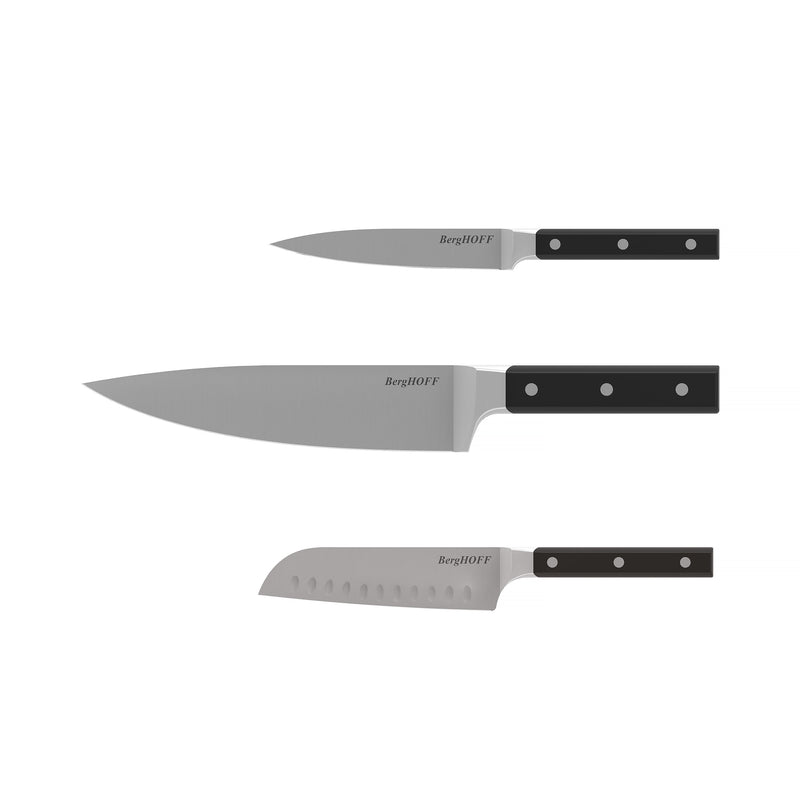
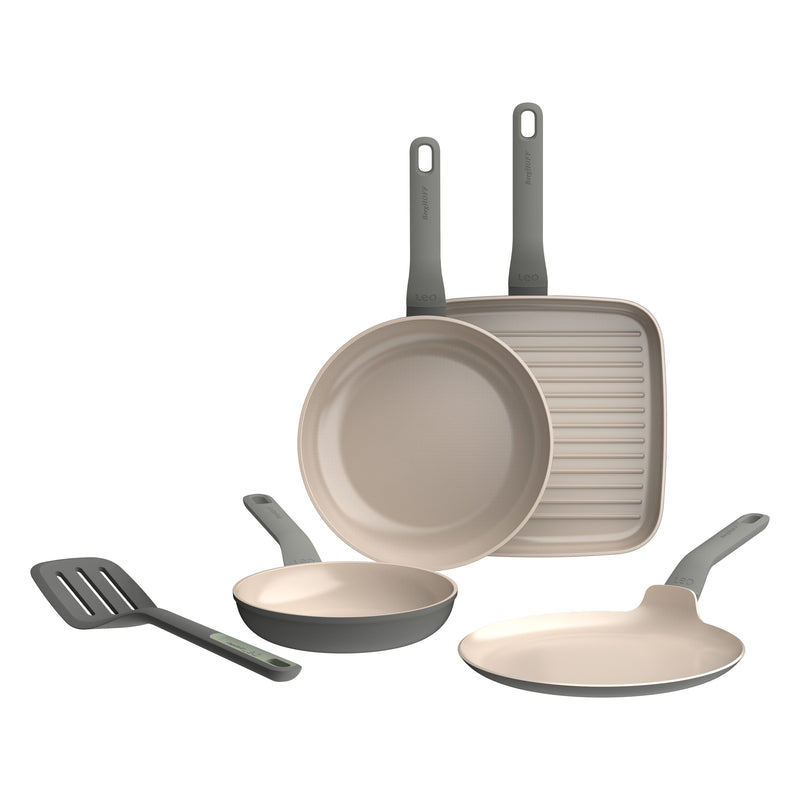
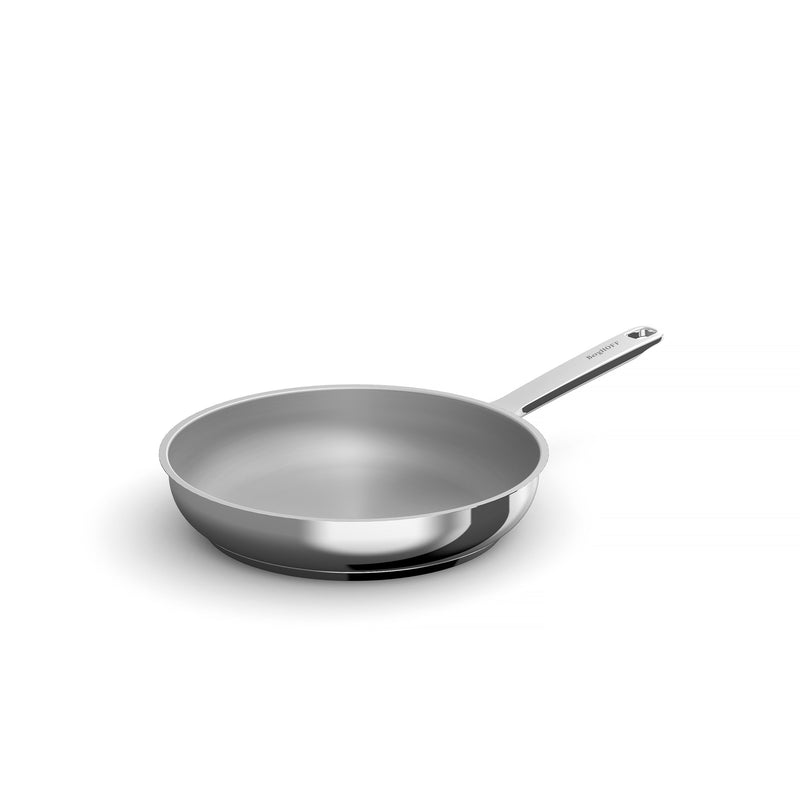
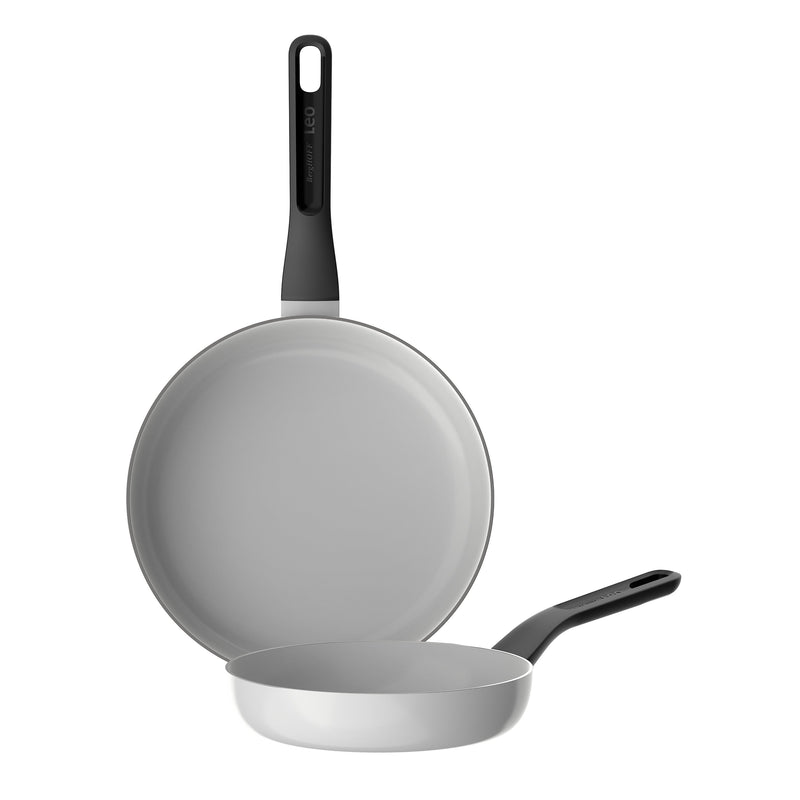
To get a feel for the products and materials we work with, browse the current BergHOFF range, such as our non-stick pans and pot sets. These are examples of the existing BergHOFF collection, not private-label options. The range covers more than 330 products, with recycled aluminium and stainless steel and a ceramic non-stick coating that is PFAS-free according to the manufacturer. BergHOFF has over 30 years of experience in cookware, its design has won Red Dot, iF Design, Good Design and Henry van de Velde awards, and the company holds an EcoVadis Silver sustainability rating.
When you're ready, send us a short description of your plans through the business enquiry form and choose "Private label and co-branding" as the type of cooperation. Our business team will come back to you with ideas. The form is part of berghoff.lv and its sister shops berghoff.lt, berghoff.ee, berghoff.fi, berghoff.se and berghoff.dk – the official BergHOFF online stores for the Baltics and the Nordics – which handle business orders as well as orders from home cooks.
Frequently asked questions
What is private label cookware?
Cookware made by a manufacturer and sold under the retailer's or brand's own name. The customer sees your brand on the product and the packaging.
What's the difference between private label and co-branding?
With private label, only your brand appears on the product. With co-branding, both brands are visible, usually for a limited edition, a joint campaign or a longer partnership.
Is private label better than reselling a known brand?
Neither is better in general. Reselling lets an established name do the selling for you, while private label gives you a range of your own but asks more of your brand and marketing. Many retailers do both.
What should I prepare before contacting a supplier?
The category and positioning, the materials you have in mind, how the range should look, how it will be packaged and sold, and rough quantities and timing.
Which countries does BergHOFF work with?
We serve business customers in Latvia, Lithuania, Estonia, Finland, Sweden and Denmark. For other countries, get in touch and we'll look at the options.