A co-branding partnership is a project in which two brands put their names side by side on the same product, edition or campaign, and both come out of it stronger. With a cookware brand, that usually means a limited edition that carries both names or a joint campaign built around cooking. It works best when the two brands share an audience and each one adds something the other can't offer on its own.
This guide is for marketing and brand managers weighing up a partnership with a kitchenware brand. It explains how co-branding differs from other ways of working with a supplier, which formats you can choose from and how to shape a project before the first meeting.
What co-branding is, and what it isn't
Co-branding is easy to confuse with other kinds of cooperation, because all of them put your company's name somewhere near a product. The difference lies in whose brand does the work and who benefits.
| Logo on a gift | Co-branding | Private label | |
|---|---|---|---|
| Whose names appear | The product brand, plus your logo as the giver | Both brands, as equal partners | Only your brand |
| Who it's for | Employees, clients and partners | Both brands' customers | Your shoppers |
| Main goal | Say thank you and be remembered | Reach a new audience and create a talking point | Build an own-brand range |
| Typical duration | One occasion | A limited period or an ongoing partnership | Long term |
If what you have in mind is a gift with your company's logo, our guide to corporate gifts with your logo is the better starting point. If you want a range under your name only, read private label cookware or a known brand. Co-branding sits between the two: both names stay visible, and each brand lends the other some of its reputation.
Temporary or permanent: the two basic formats
Co-branding with BergHOFF can be temporary or permanent, from a limited edition to a joint campaign. Which one suits you depends on what you want to achieve.
Limited editions and one-off campaigns
A temporary collaboration has a clear start and end. It might be an edition linked to a season, a product launch or an anniversary, or a campaign that runs for a set period in your stores or channels. The time limit gives people a reason to act now, and it lets both brands try the partnership without a long commitment.
A short collaboration can also sit inside a bigger campaign. A retailer might build a joint promotion around a collect-and-save campaign, and a brand might use a co-branded selection to reward its sales network, much like the sales incentive gifts we describe elsewhere.
Longer partnerships
A permanent collaboration is a partnership that keeps going: both brands appear together over a longer period and develop the idea as they go. It takes more planning on both sides, but it gives the partnership time to become something customers recognise.
When co-branding with a kitchenware brand makes sense
Good partnerships rarely start with a product. They start with a shared audience and a story that both brands can tell without forcing it. Co-branding with a cookware brand tends to work when:
- Your customers cook. If your audience spends time in the kitchen, products they use every day are a natural meeting point for both brands.
- There's a clear campaign theme. Cooking at home, baking, family meals, barbecue season or a new kitchen are themes that people relate to and that cookware fits easily.
- The brands complement each other. Each partner should bring something real: reach, credibility, design or a loyal customer base.
- The values match. If sustainability matters to your customers, it helps that BergHOFF works with recycled aluminium and stainless steel and holds an EcoVadis Silver sustainability rating.
How to structure a limited edition or joint campaign
You don't need a finished plan for a first conversation, but thinking through a few questions makes it far easier to judge whether an idea will work.
1. Define the goal
Decide what success looks like: reaching a new audience, refreshing your brand, driving visits to your stores or giving customers a reason to come back. The goal shapes everything else, from the products to how long the project runs.
2. Agree on the concept and the story
Why are these two brands together, and why now? A clear, simple answer becomes the campaign message. Customers notice quickly when a partnership feels random.
3. Choose the products
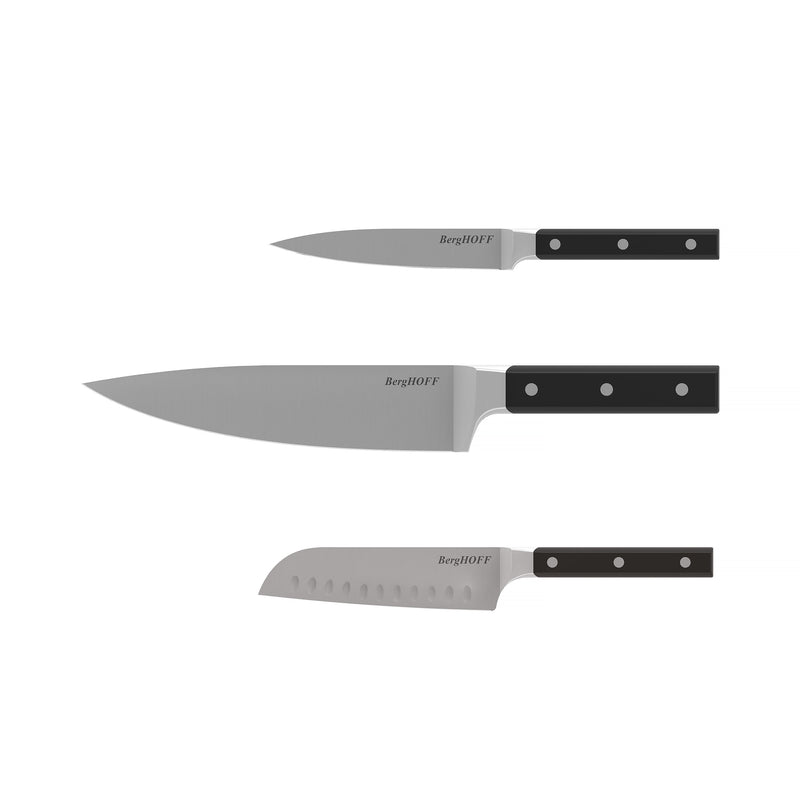
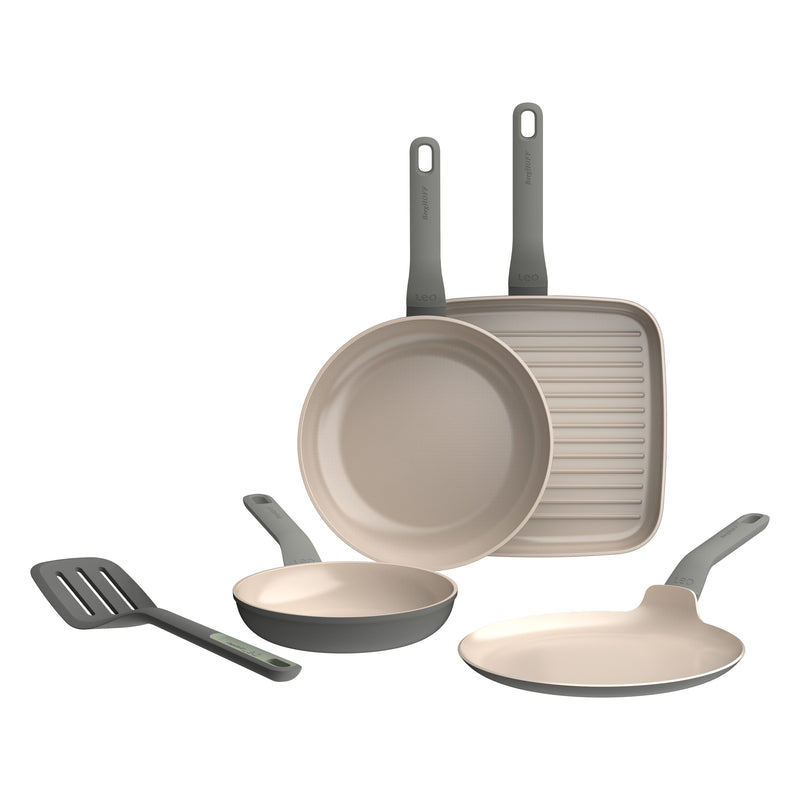
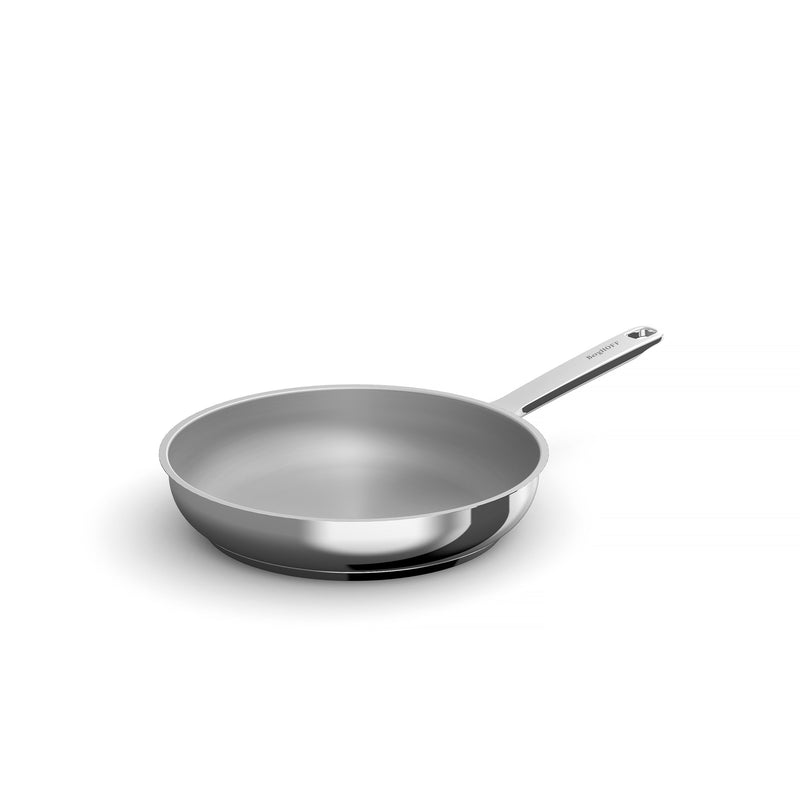
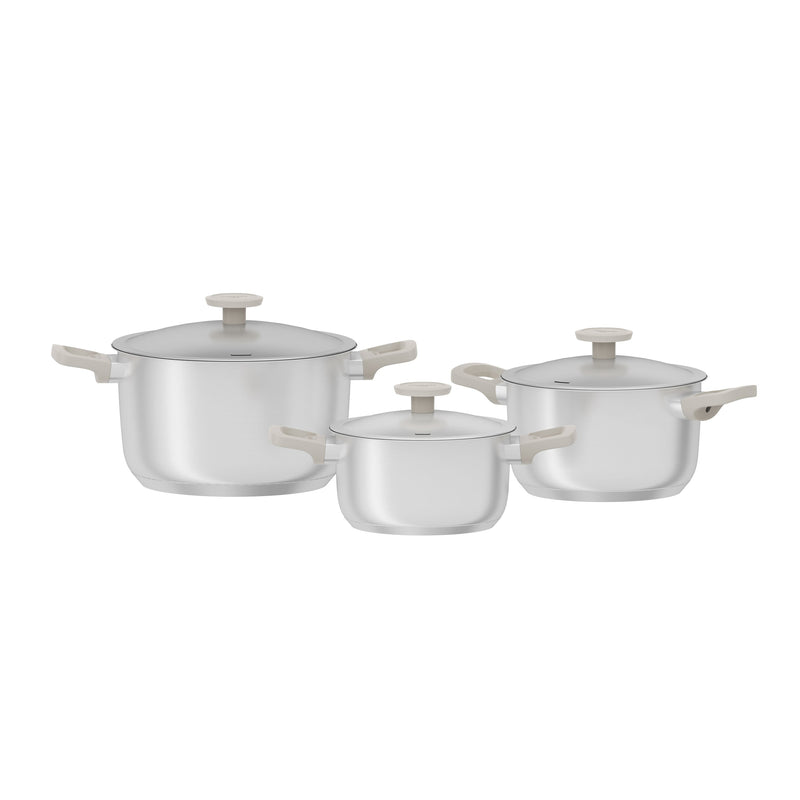
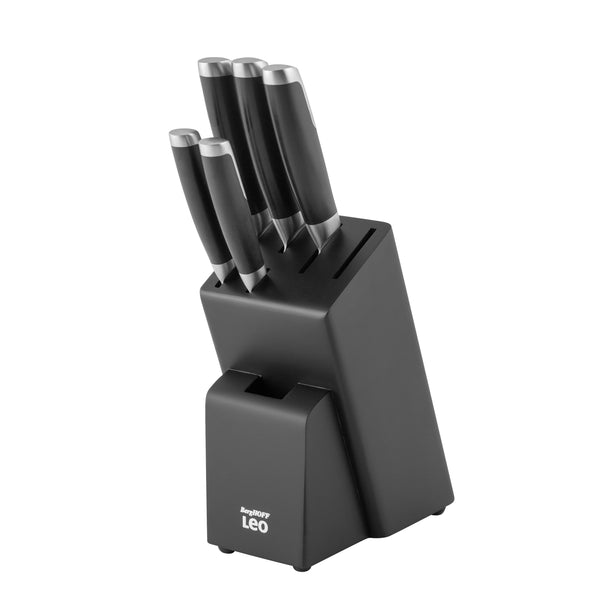
Pick product types that fit the story and that people will actually use. For a cooking-themed campaign, a pan set or a knife set is an obvious candidate. As examples of the current range, here are two product types that could suit a limited edition. What is possible is agreed per project.
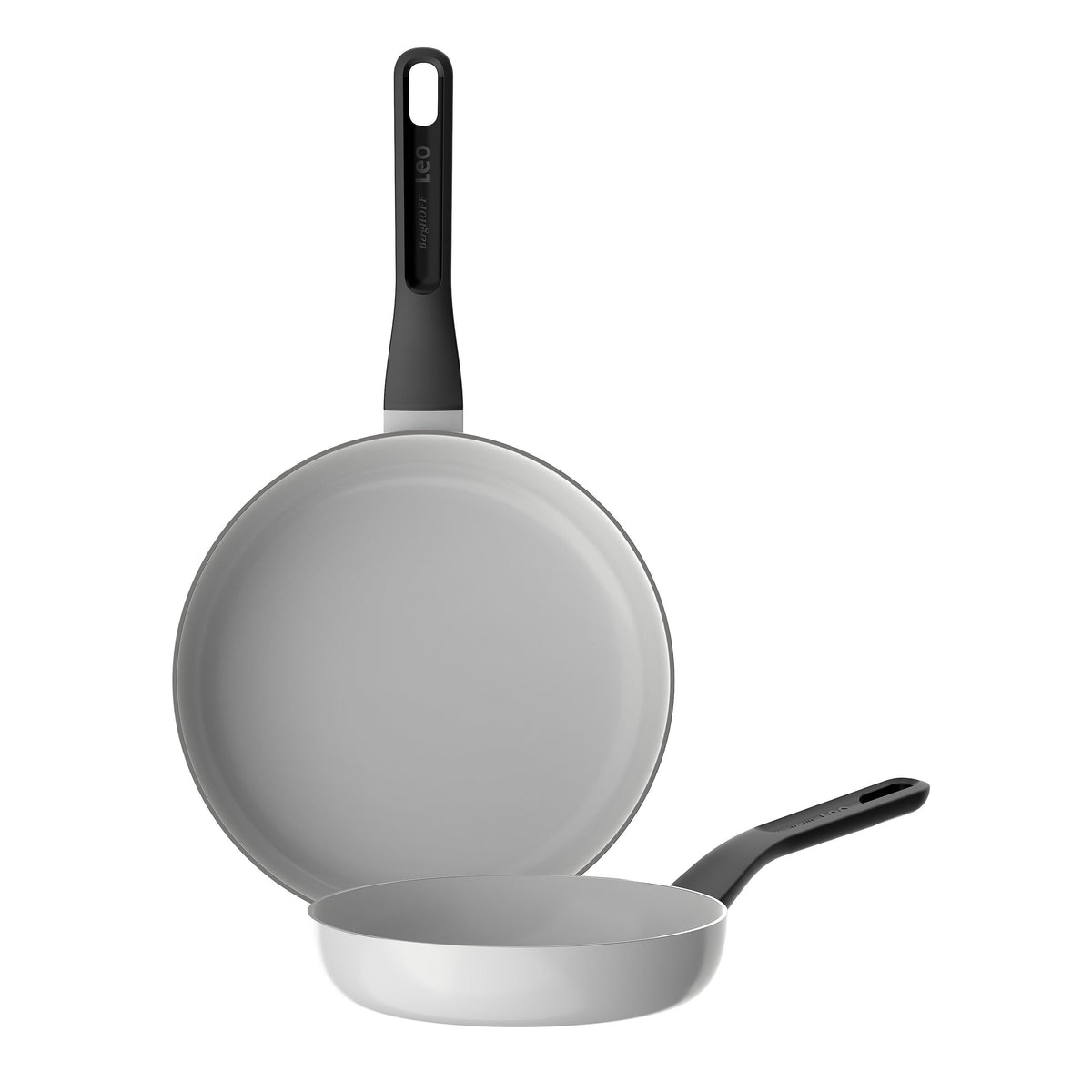
- The Glints 2-piece non-stick frying pan set in Spirit (the full Glints range): a 20 cm and a 24 cm frying pan made from recycled aluminium, with a CeraGreen ceramic coating, for all hobs including induction. More options in our pan sets.
- The Pica 7-piece knife block set: a bamboo block on a stainless steel base with paring, utility, carving, chef's and bread knives and kitchen shears, all with hand-sharpened blades. See more knife sets.
4. Decide how both brands are shown
Think about where each name appears and how prominent it should be, on the product, on the packaging or in the campaign materials. We check which products and packaging can carry your logo, and engraving and printing are available for business orders in larger quantities.
5. Plan the channels and the timing
Where will customers come across the collaboration: in stores, in a web shop, at events or through your own channels? Set out when you want to launch and how long the project should run, so both partners can plan around it. Every BergHOFF proposal is built around your quantities, budget and timing.
Why BergHOFF as a partner
BergHOFF is an international Belgian brand with more than 30 years in cookware and kitchenware and a range of more than 330 products, so a collaboration can draw on pans, pots, knives, cutlery, storage and kitchen tools from one supplier. Its design has won Red Dot, iF Design, Good Design and Henry van de Velde awards, and that recognition carries over to anything that bears its name. Co-branding can also be combined with other formats, such as a loyalty campaign or gifts for a sales team. For a fuller picture of what the brand brings to any partnership, read why choose BergHOFF.
BergHOFF has worked with retail chains and international brands on loyalty campaigns, incentives and co-branding projects, in Europe and beyond. You can see the retailers and brands BergHOFF has worked with on our business page.
Start the conversation
Send us a short outline of your idea through the business enquiry form and choose "Private label and co-branding" as the type of cooperation. Tell us about your brand, your audience and what you'd like the partnership to achieve, and our business team will come back to you with ideas. We serve business customers in Latvia, Lithuania, Estonia, Finland, Sweden and Denmark; for other countries, get in touch and we'll look at the options. Enquiries are answered by the team behind berghoff.lv and its sister shops berghoff.lt, berghoff.ee, berghoff.fi, berghoff.se and berghoff.dk, the official BergHOFF online stores for the Baltics and the Nordics.
In our range: Boron 6-Piece Knife Block Set
Frequently asked questions
What is a co-branding partnership?
A collaboration in which two brands appear together on a product, edition or campaign, so that both reach new customers and gain from each other's reputation.
What's the difference between co-branding and private label?
With co-branding, both brands are visible. With private label, the products carry only your brand, and the manufacturer stays in the background.
Is co-branding the same as putting a logo on a gift?
No. A logo on a corporate gift shows who the gift is from. Co-branding is a partnership between two brands aimed at both brands' customers, usually as a limited edition or a joint campaign.
Does a co-branding project have to be permanent?
No. It can be temporary, such as a limited edition or a campaign for a set period, or a longer partnership. The format is agreed per project.
How do we start?
Fill in the business enquiry form, choose "Private label and co-branding" and describe your idea. You don't need a finished plan; a goal and a rough idea of the audience are enough to begin.